What Is Car Wrapping? A Complete Guide for UK Drivers
Car wrapping covers your vehicle in a thin vinyl film to change its colour or finish, without touching the original paint.
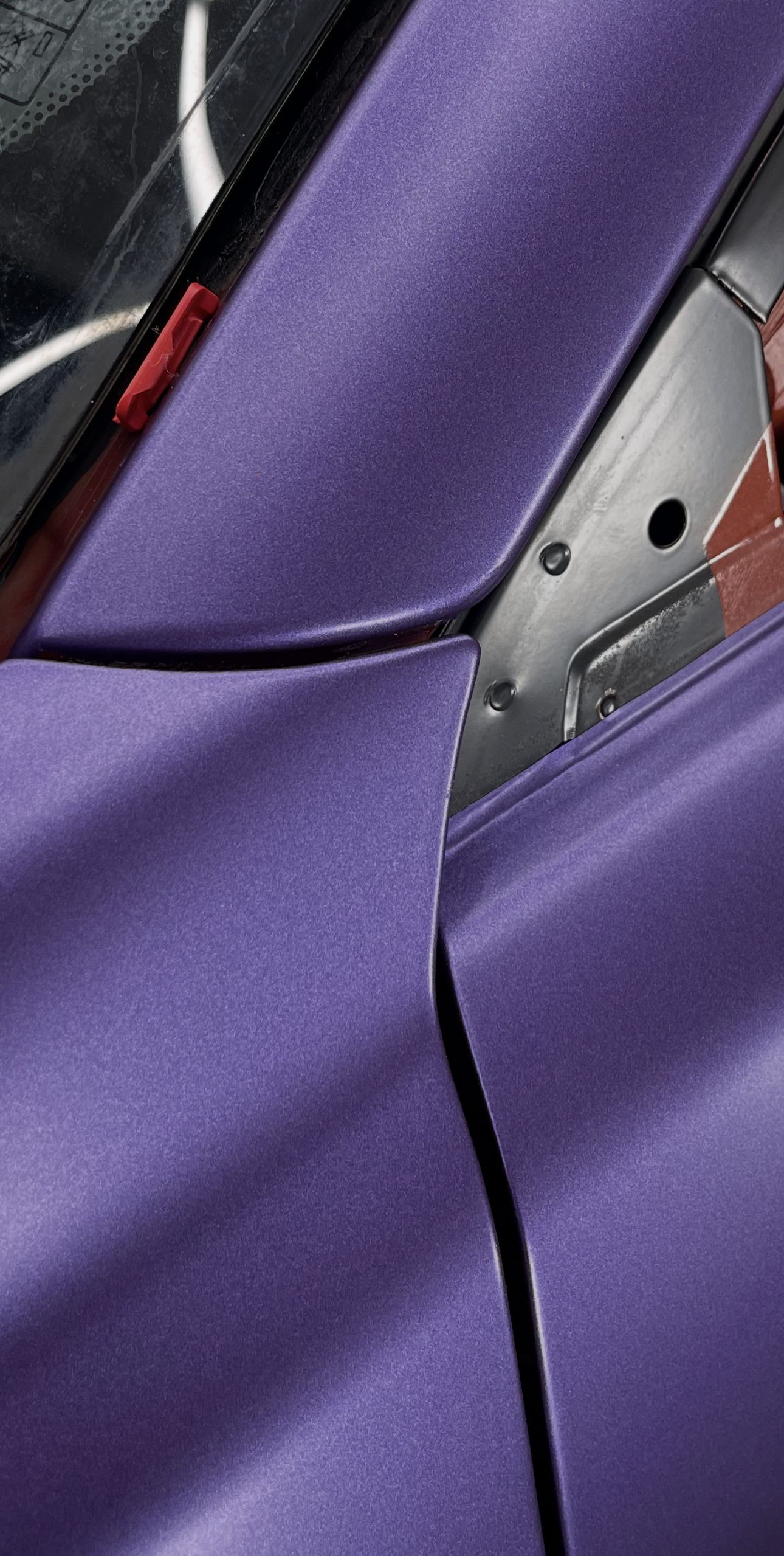
Car wrapping is the process of applying a thin layer of vinyl film over a vehicle's exterior paintwork to change its colour, finish, or appearance without the permanence of a respray. It has grown into one of the most popular automotive modifications in the UK, covering everything from full colour changes and custom graphics to protective clear films. Whether you want your car to turn heads or simply want to protect the original paint before selling, wrapping is a flexible, reversible solution that works for private owners and businesses alike.
How Does Car Wrapping Work?
A car wrap is made from cast vinyl film, a thin, flexible material that conforms to the contours of a vehicle's panels. The film has a pressure-sensitive adhesive on one side and can be stretched around curves, edges, and complex body shapes without creasing.
According to Autotrader, the process typically involves three stages: measuring the vehicle and selecting the colour, finish, or graphic design; printing and laminating the vinyl if a custom design is required; then applying the film panel by panel. A professional installer will often remove bumpers, door handles, and trim to tuck the vinyl's edges underneath, creating a seamless finish that closely resembles factory paintwork.
The full job typically takes two to five days depending on the vehicle's size and complexity and whether it is a full or partial wrap. The original paint underneath is left completely untouched throughout.
What Types of Car Wrap Are Available?
Wraps are not one-size-fits-all. The main options are:
Full colour change wraps
The most popular type. The entire exterior is covered, giving the car a completely new look. Finishes include gloss, matte, satin, metallic, chrome, colour-shift, and textured effects such as carbon fibre.
Partial wraps
Only selected sections are covered, such as the roof, bonnet, or mirrors. Partial wraps cost less, are completed faster, and are a great entry point for people who want a noticeable upgrade without a full commitment.
Paint protection film
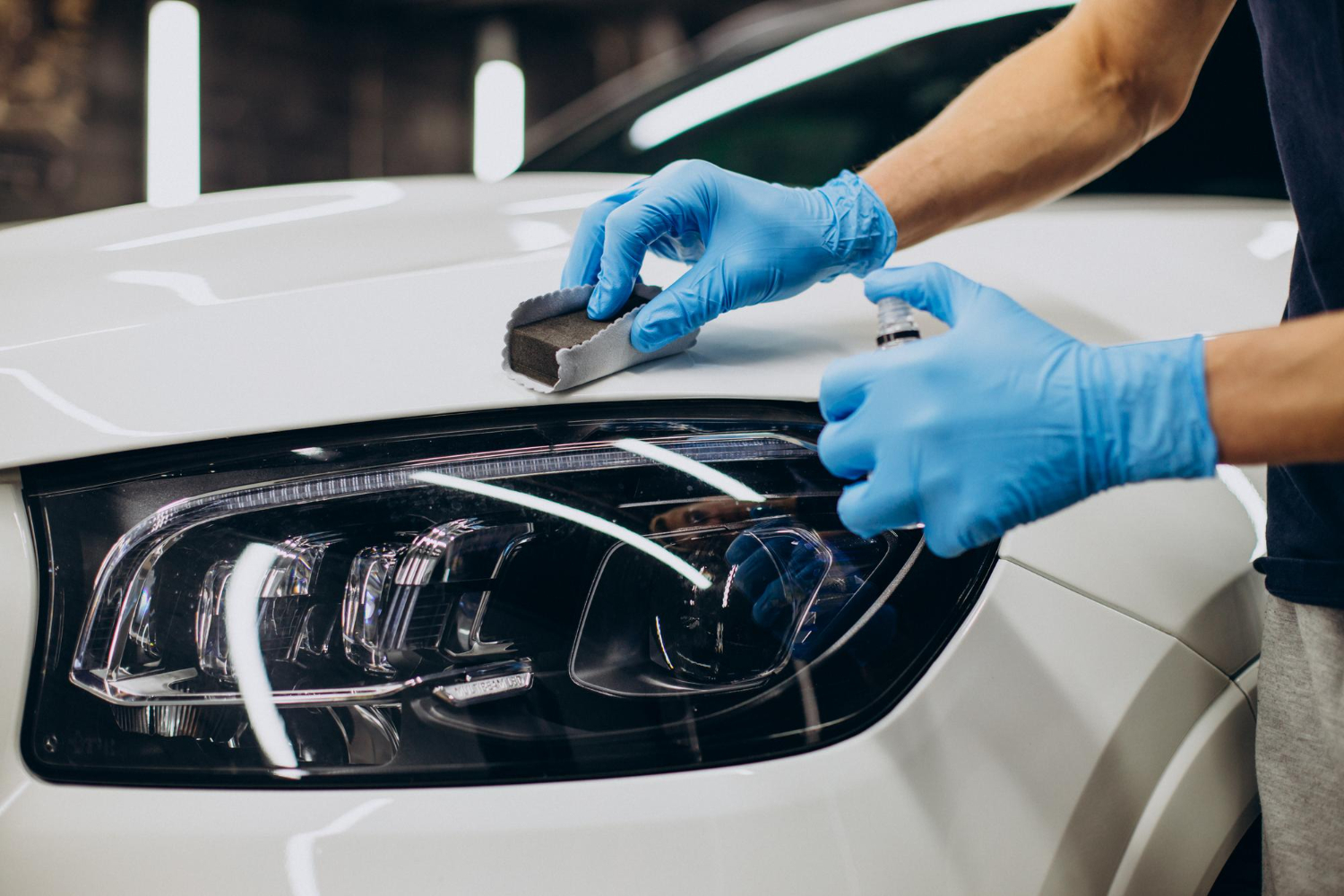
A clear, virtually invisible film applied over the paintwork to guard against stone chips, scratches, and road debris. It does not change the car's appearance but protects the original finish underneath, making it particularly popular on new and high-value vehicles.
Commercial and advertising wraps
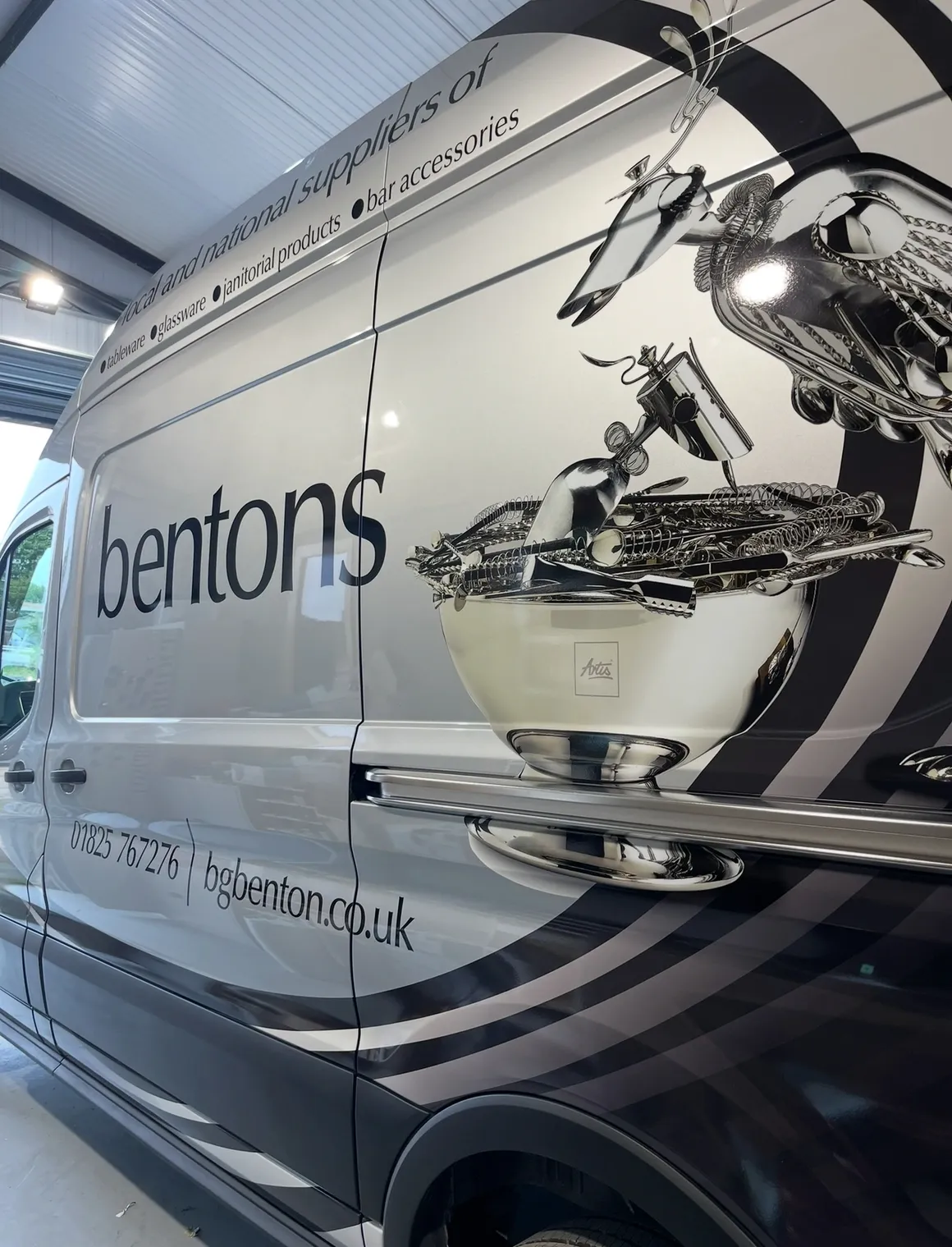
Businesses use vinyl wraps to turn vans, cars, and fleet vehicles into mobile advertising. A fully branded vehicle can generate thousands of impressions every day at a fraction of the ongoing cost of most other marketing channels.
Specialist finishes
Chrome, colour-flip films that shift shade under different lighting, and brushed metal effects all fall into this category. These materials require greater skill to install and cost more than standard finishes, but deliver genuinely striking results.
Car Wrapping vs. Respraying: What Is the Difference?
The most common question when considering a colour change is whether to wrap or respray. Both achieve a similar visual result, but the process, cost, and long-term implications differ considerably.
A traditional respray involves sanding the existing paint, applying primer, painting in the new colour, and lacquering the surface. It is permanent. A car wrap sits on top of the original paint and can be removed cleanly by a professional, returning the vehicle to its factory finish. According to TeckWrap UK, wrapping can be up to 60% cheaper than a full respray, though the exact difference depends on the vehicle size, finish chosen, and material quality.
Wrapping is also significantly faster and protects the original paint in the process. Cars with unmarked factory paint in good condition tend to sell more easily and at better prices, so keeping that paint pristine underneath a wrap has real resale value.
How Much Does Car Wrapping Cost in the UK?
Cost depends on the vehicle's size, the finish chosen, and how much of the car is being covered. According to Complete Graphics' 2026 pricing guide, a professional full wrap in the UK typically falls between £1,800 and £4,000 for most cars, with premium finishes, very large vehicles, or complex branded graphics pushing costs higher.
As a rough guide for 2026:
- Small cars (e.g. Fiat 500, MINI): approximately £2,000 to £2,500
- Medium cars (e.g. BMW 3 Series, Tesla Model 3, Audi A5): approximately £2,750 to £3,350
- Large cars and SUVs (e.g. Range Rover, Mercedes G-Wagon): approximately £3,000 to £3,600
- Partial wraps (roof, bonnet, mirrors): approximately £300 to £800 depending on coverage
Labour is a significant part of the total price. A full wrap typically takes several days of skilled work, and specialist finishes such as chrome or colour-shift cost more because the material itself is expensive and harder to apply correctly. Always ask your installer what brand of vinyl they use. Premium manufacturers such as 3M, Avery Dennison, and KPMF carry better warranties and tend to outlast budget alternatives considerably.
How Long Does a Car Wrap Last?
A professionally installed wrap using quality vinyl typically lasts five to seven years with proper care, according to Grand Auto Services. Budget materials or poor installation can reduce this significantly.
How you maintain the wrap matters just as much as the quality of the install. Hand washing is recommended over automated car washes, as high-pressure jets and rotating brushes can lift edges and degrade the vinyl surface. Leaving bird droppings to sit, using harsh cleaning products, or exposing the vehicle to prolonged direct sunlight will all shorten the wrap's life. Garaging the car when not in use and washing it regularly with a mild soap will keep it looking sharp for longer.
Is Car Wrapping Legal in the UK?
Yes, car wrapping is completely legal in the UK. According to Popin Graphics' guide to vehicle wrap legislation, wraps are treated as a cosmetic modification and there are no specific laws against them, provided a few practical rules are followed:
- If the vehicle's colour changes, you must update the V5C logbook with the DVLA to reflect this.
- You must inform your insurer before the wrap is applied. Failing to declare a modification can invalidate your policy.
- Number plates, lights, and reflectors must remain clearly visible at all times.
- Windows must not be wrapped, and the driver's forward visibility must not be impaired.
Most insurers accept wraps without issue, but it is always worth confirming before booking. If you are wrapping a vehicle for commercial advertising, the design must also comply with Advertising Standards Authority (ASA) guidelines.
Does Car Wrapping Protect the Original Paint?
Yes, and this is one of the strongest practical arguments for wrapping beyond aesthetics. The vinyl layer acts as a barrier against minor stone chips, light scratches, UV fading, and everyday road grime. When removed professionally, the paint underneath is typically in the same condition as when it was first covered. This is particularly valuable if you are leasing a vehicle, plan to sell it, or own a classic or high-value car where preserving factory paintwork matters.
For maximum protection, paint protection film (PPF) is worth considering alongside or instead of a colour wrap. PPF is a thicker, self-healing clear film that offers a higher level of defence against stone chips and scratches. Many owners apply PPF to high-impact areas like the bonnet and front bumper and a colour wrap across the rest of the vehicle for both protection and style.
Can Any Vehicle Be Wrapped?
Almost any vehicle can be wrapped: cars, vans, motorcycles, trucks, caravans, and boats. The main factors affecting suitability are the condition of the existing paintwork and the complexity of the bodywork. The wrap adheres directly to the paint surface, so significant rust, peeling lacquer, or deep scratches need to be addressed before application. A reputable installer will always inspect the paintwork before quoting and flag anything that needs attention.
Vehicles with complex aerodynamic body kits, deep recesses, or heavily contoured panels take longer to wrap and may cost more. Your installer will account for this in the quote.
Thinking About Getting Your Vehicle Wrapped?
At Wessex Wrapping, we offer a full range of premium vinyl wrapping services, from full colour changes and specialist finishes to paint protection film and commercial branding. Every project starts with a consultation to make sure the result is exactly what you have in mind. Get in touch to discuss your vehicle, or browse our full range of services to see what is possible.
FAQs
What is car wrapping?
Car wrapping is the process of covering a vehicle's exterior with a thin vinyl film to change its colour, finish, or design. The wrap sits over the original paintwork and can be removed cleanly at any time, leaving the paint underneath undamaged. Wraps are available in hundreds of colours and finishes including gloss, matte, satin, metallic, chrome, and colour-shift effects.
How long does a car wrap last?
A professionally installed wrap using quality vinyl typically lasts five to seven years with proper care. Keeping the vehicle clean, avoiding automated car washes, and not leaving bird droppings to sit will help the wrap look its best throughout its life.
Is car wrapping cheaper than respraying?
In most cases, yes. Wrapping can cost significantly less than a professional respray and has the added advantage of being reversible. A full colour-change wrap for a medium-sized car typically costs between £2,750 and £3,350, whereas a high-quality respray on the same vehicle is often considerably more and permanent.
Do I need to tell my insurer about a car wrap?
Yes. A wrap counts as a vehicle modification and must be declared to your insurer before it is applied. Most insurers accept wraps without a significant increase in premiums, but failing to declare it could invalidate your policy in the event of a claim.
Will a car wrap damage my paintwork?
A professional wrap applied to clean, undamaged paint should not damage the surface underneath. When removed correctly by a trained installer, the original paintwork is typically left in the same condition as before. Poor-quality materials or DIY application carry a higher risk of adhesive residue or paint lifting on removal.
Follow a maintenance program
Ante gravida id aenean quis egestas risus nam amet nullam leo diam diam aliquam eu eu malesuada arcu rhoncus suspendisse nulla mattis ut amet sagittis in justo egestas.
search for a trusted mechanic
Lorem ipsum dolor sit amet, consectetur adipiscing elit lobortis arcu enim urna adipiscing praesent velit viverra sit semper lorem eu cursus vel hendrerit elementum morbi curabitur etiam nibh justo, lorem aliquet donec sed sit mi dignissim at ante massa mattis.
- Neque sodales ut etiam sit amet nisl purus non tellus orci ac auctor
- Adipiscing elit ut aliquam purus sit amet viverra suspendisse potent
- Mauris commodo quis imperdiet massa tincidunt nunc pulvinar
- Excepteur sint occaecat cupidatat non proident sunt in culpa qui officia
Check the air pressure in your tires
Vitae congue eu consequat ac felis placerat vestibulum lectus mauris ultrices cursus sit amet dictum sit amet justo donec enim diam porttitor lacus luctus accumsan tortor posuere praesent tristique magna sit amet purus gravida quis blandit turpis.
Review your suspension frequently
At risus viverra adipiscing at in tellus integer feugiat nisl pretium fusce id velit ut tortor sagittis orci a scelerisque purus semper eget at lectus urna duis convallis. porta nibh venenatis cras sed felis eget neque laoreet suspendisse interdum consectetur libero id faucibus nisl donec pretium vulputate sapien nec sagittis aliquam nunc lobortis mattis aliquam faucibus purus in.
- Neque sodales ut etiam sit amet nisl purus non tellus orci ac auctor
- Adipiscing elit ut aliquam purus sit amet viverra suspendisse potent
- Mauris commodo quis imperdiet massa tincidunt nunc pulvinar
- Excepteur sint occaecat cupidatat non proident sunt in culpa qui officia
Service your vehicle as regularly as posible
At risus viverra adipiscing at in tellus integer feugiat nisl pretium fusce id velit ut tortor sagittis orci a scelerisque purus semper eget at lectus urna duis convallis. porta nibh venenatis cras sed felis eget neque laoreet suspendisse interdum consectetur libero id faucibus nisl donec pretium vulputate sapien nec sagittis aliquam nunc lobortis mattis aliquam faucibus purus in.
“Nisi quis eleifend quam adipiscing vitae aliquet bibendum enim facilisis gravida neque velit euismod in pellentesque”
Conclusion
Eget lorem dolor sed viverra ipsum nunc aliquet bibendum felis donec et odio pellentesque diam volutpat commodo sed egestas aliquam sem fringilla ut morbi tincidunt augue interdum velit euismod eu tincidunt tortor aliquam nulla facilisi aenean sed adipiscing diam donec adipiscing ut lectus arcu bibendum at varius vel pharetra nibh venenatis cras sed felis eget.