What Does Paint Protection Film Actually Do?
What paint protection film really does to protect your car's paint, and where it stops.
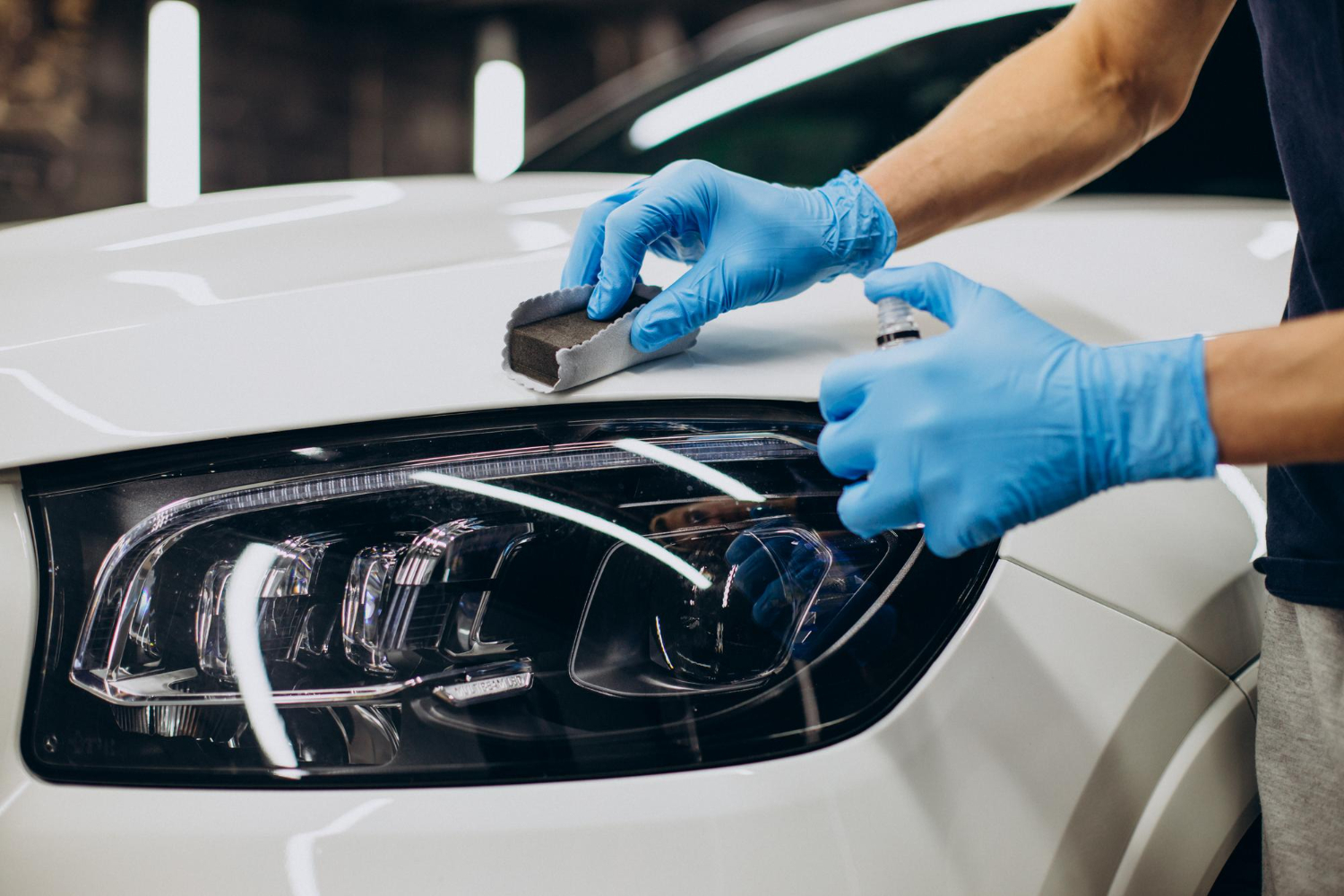
Paint protection film, usually just called PPF, is a clear layer of polyurethane fitted over a car's paintwork to absorb impacts and stop everyday damage before it reaches the panel underneath. It isn't a coating or a polish. It's a physical film, precision-cut and applied in sections around curves, bumpers and mirror housings so it sits close to invisible once it's on.
For UK drivers that means fewer stone chips picked up on a fast A road, less fading from sitting in a supermarket car park all summer, and a layer that quietly takes the hit so the factory paint underneath doesn't have to. Below is what the film is actually made from, how it does its job, where it falls short, and what it means for your insurance if you're driving in the UK.
What Is Paint Protection Film Made From?
PPF is built from thermoplastic polyurethane, a flexible plastic that can stretch and reform without tearing. The technology was originally developed for the US military during the Vietnam War, when 3M was asked to find a way to stop helicopter rotor blades getting chewed up by stone and debris. The same qualities that protected rotor blades in combat, flexibility, impact absorption and resistance to abrasion, are what now protect a bonnet from grit kicked up by the car in front.
Installers bond the film to the paintwork with a specialist adhesive layer, then trim and fit it precisely around door edges, wing mirrors and other contours so it sits close to the panel, as Avery Dennison explains in its breakdown of the science behind the material.
How Does Paint Protection Film Protect Your Car?
The film works by absorbing and dispersing the energy of an impact rather than letting it transfer straight into the paint. When a stone flicks up off the road, or a car park trolley catches a wing, the film takes the force and spreads it across a wider area instead of concentrating it into one small dent or chip. That's the core job PPF is doing every time you drive, quietly absorbing thousands of tiny impacts that would otherwise chip, scuff or scratch bare paint over the years.
What Is Self-Healing PPF and How Does It Work?
Most modern PPF has a self-healing top coat, meaning its molecular structure can reform itself after a light scratch or swirl mark using nothing more than ambient heat. Leave the car in the sun for an afternoon, or pour warm water over the panel, and shallow marks from an automatic car wash or a careless supermarket trolley will often soften and disappear on their own. It isn't magic. Anything that cuts through the full thickness of the film and reaches the paint underneath won't heal itself, no matter how much heat you throw at it.
Does PPF Stop UV Fading and Chemical Staining?
Yes, and this is one of the areas where PPF earns its keep over the years rather than in one dramatic moment. The film is resistant to UV radiation and to common chemical culprits like bird droppings, tree sap and bug acid, which is what stops the paint underneath from oxidising, fading or staining in the way exposed paintwork does over a few UK summers. A car parked outside every day ages differently to one that spends its life under cover, and PPF closes a lot of that gap.
What Paint Protection Film Won't Protect Against
This is the part most PPF pages skip over. The film is tough, but it isn't invincible. A deep scratch from a key, a heavy dent from a car door, or a serious collision will still damage the panel underneath, film or no film. PPF also won't fix paint that's already faded, swirled or oxidised before it goes on, which is why a lot of installers recommend paint correction first if the existing finish isn't in great shape. And it isn't a substitute for regular washing. Grit left to sit on the surface can still cause fine marring over time, even with a protective layer in place.
Paint Protection Film vs Ceramic Coating: What's the Difference?
The two get lumped together a lot, but they do different jobs. PPF is a physical barrier with real thickness, so it can absorb impacts and chips in a way a coating simply can't. Ceramic coating is a chemical layer that bonds to the paint and makes the surface hydrophobic, so water and dirt slide off more easily and the car is quicker to clean, but it offers little defence against a stone chip or a scuff. Avery Dennison's comparison of the two puts it plainly, PPF is built for physical protection, while ceramic coating is built for finish and ease of maintenance. Plenty of owners run both, a ceramic coating over the exposed paint and PPF on the high impact areas, which is part of why Wessex Wrapping offers paint correction and ceramic coatings alongside PPF as part of its range of services.
Does Paint Protection Film Affect Your Car Insurance in the UK?
This is the bit that catches people out. In the UK, PPF is generally treated as a modification unless it was fitted by the manufacturer, which is rare, and like any other modification it should be declared to your insurer. Some insurers have declined to pay out on claims where PPF wasn't disclosed, so it's worth a quick call to your provider either before or straight after having it fitted. The upside is that declaring it usually works in your favour. Insurers can adjust your car's insured value to reflect the film, and it signals that you've looked after the vehicle. A five minute phone call is a lot cheaper than finding out the hard way that a claim's been affected.
How Long Does Paint Protection Film Last?
Quality films are commonly rated to hold their clarity for up to a decade, though real world longevity depends on film quality, installation and how the car is looked after. Hand washing rather than automatic brush washes, avoiding jet washers held too close to the panel, and having any lifting edges checked early all help the film see out its full lifespan rather than needing an early replacement.
How Much Does Paint Protection Film Cost?
There isn't a single UK wide price for PPF, because so much depends on the size of the vehicle, how much of it you're covering, and the quality of film used. A set of high impact areas like the bonnet, bumper and mirrors costs a lot less than wrapping the whole car, and the only way to get an accurate figure is a proper quote based on your specific vehicle. Wessex Wrapping's paint protection film service covers everything from targeted high impact protection through to full vehicle coverage, fitted at your location rather than requiring a trip to a workshop. If you want a tailored price, the quickest way is to get in touch directly.
Whether you're protecting a new car's factory finish from day one or getting ahead of the damage on a daily driver before it needs a respray, PPF does a specific job well. It absorbs the impacts, blocks the UV and chemical damage, and quietly buys your paintwork years it wouldn't otherwise get. Just go in knowing what it won't do, and tell your insurer once it's on.
FAQs
Does paint protection film turn yellow over time?
Good quality PPF is engineered to resist UV radiation, so it shouldn't yellow under normal use. Lower quality or older film can discolour after several years, particularly on cars that sit outside constantly, which is one reason film quality matters more than price alone.
Can paint protection film be removed without damaging the paint?
When it's been installed correctly and removed by a trained installer, PPF is designed to lift away cleanly without pulling up the paint underneath. Film left on well past its rated lifespan can become brittle and harder to remove in one piece, which is why most installers recommend having it checked once it's a few years old.
Is paint protection film worth it on a brand new car?
For a lot of owners, yes. Fitting PPF before the car has picked up its first stone chip means the factory paint stays untouched from day one, rather than trying to protect paintwork that's already picked up marks.
Do I really need to tell my insurer if I've had PPF fitted?
You should. UK insurers generally treat PPF as a modification, and some have refused to pay claims where it wasn't declared. A quick call to your insurer once it's fitted is the safest way to avoid a dispute later.
How is paint protection film different from a vinyl wrap?
Vinyl wrap is mainly about changing the colour or finish of a car and is thinner than PPF, so it doesn't offer the same level of impact protection. PPF is built specifically to absorb chips and scratches, which is why the two are sometimes combined, a colour wrap on the body with PPF protecting the areas that take the most abuse.
Follow a maintenance program
Ante gravida id aenean quis egestas risus nam amet nullam leo diam diam aliquam eu eu malesuada arcu rhoncus suspendisse nulla mattis ut amet sagittis in justo egestas.
search for a trusted mechanic
Lorem ipsum dolor sit amet, consectetur adipiscing elit lobortis arcu enim urna adipiscing praesent velit viverra sit semper lorem eu cursus vel hendrerit elementum morbi curabitur etiam nibh justo, lorem aliquet donec sed sit mi dignissim at ante massa mattis.
- Neque sodales ut etiam sit amet nisl purus non tellus orci ac auctor
- Adipiscing elit ut aliquam purus sit amet viverra suspendisse potent
- Mauris commodo quis imperdiet massa tincidunt nunc pulvinar
- Excepteur sint occaecat cupidatat non proident sunt in culpa qui officia
Check the air pressure in your tires
Vitae congue eu consequat ac felis placerat vestibulum lectus mauris ultrices cursus sit amet dictum sit amet justo donec enim diam porttitor lacus luctus accumsan tortor posuere praesent tristique magna sit amet purus gravida quis blandit turpis.
Review your suspension frequently
At risus viverra adipiscing at in tellus integer feugiat nisl pretium fusce id velit ut tortor sagittis orci a scelerisque purus semper eget at lectus urna duis convallis. porta nibh venenatis cras sed felis eget neque laoreet suspendisse interdum consectetur libero id faucibus nisl donec pretium vulputate sapien nec sagittis aliquam nunc lobortis mattis aliquam faucibus purus in.
- Neque sodales ut etiam sit amet nisl purus non tellus orci ac auctor
- Adipiscing elit ut aliquam purus sit amet viverra suspendisse potent
- Mauris commodo quis imperdiet massa tincidunt nunc pulvinar
- Excepteur sint occaecat cupidatat non proident sunt in culpa qui officia
Service your vehicle as regularly as posible
At risus viverra adipiscing at in tellus integer feugiat nisl pretium fusce id velit ut tortor sagittis orci a scelerisque purus semper eget at lectus urna duis convallis. porta nibh venenatis cras sed felis eget neque laoreet suspendisse interdum consectetur libero id faucibus nisl donec pretium vulputate sapien nec sagittis aliquam nunc lobortis mattis aliquam faucibus purus in.
“Nisi quis eleifend quam adipiscing vitae aliquet bibendum enim facilisis gravida neque velit euismod in pellentesque”
Conclusion
Eget lorem dolor sed viverra ipsum nunc aliquet bibendum felis donec et odio pellentesque diam volutpat commodo sed egestas aliquam sem fringilla ut morbi tincidunt augue interdum velit euismod eu tincidunt tortor aliquam nulla facilisi aenean sed adipiscing diam donec adipiscing ut lectus arcu bibendum at varius vel pharetra nibh venenatis cras sed felis eget.